Calcusyn Software Manual
Гдз По Биологии 5 Класс Пасечник Рабочая Тетрадь 2014. Biosoft: Software for Science Version 2 US $300, UK £175 * – single user license – online fulfillment Dose-Effect Analyzer for Single and Multiple Drugs CalcuSyn Version 2.0 is the definitive analyzer of combined drug effects, able automatically to quantify phenomena such as synergism and inhibition. Mixed drug treatment is becoming common in the treatment of cancer, AIDS etc, and CalcuSyn is the most widely used software for establishing efficacy in this field. It performs multiple drug dose-effect calculations using the Median Effect methods described by T-C Chou and P. Talalay (Trends Pharmacol. CalcuSyn can easily be integrated with other software.
Data can be entered via the keyboard or file import either into the grid or directly into the analysis engine. When the grid is used, data can be processed through wizards which make the software easily accessible to new users. Data can be processed both for individual drugs and for constant-ratio or non-constant-ratio combinations of drugs. CalcuSyn automatically graphs the data and produces reports giving summary statistics on all drugs plus detailed analysis of drug interactions including the Combination Index and EDx (for any value of x). Estimates of accuracy of EDx and CI can be calculated with Monte Carlo simulations or by a highly accurate algebraic estimation algorithm. The plots drawn by CalcuSyn include dose-effect, median-effect, isobolograms and CI-effect.
All data and results are easily accessible by mouse-click on the contents tree. CalcuSyn Version 2.0 has Undo and Redo tools. There are flexible arrangements for printing of results and graphs and their export to spreadsheets, wordprocessors, graphics packages etc. A comprehensive manual is supplied as.pdf with the software and there is a detailed Help file. These give a thorough account of the theoretical basis of the analysis methods including the statistical treatment of results. Already used in hundreds of academic labs and pharmaceutical companies, CalcuSyn is indispensable for the study of drug mixtures. * Single user license US $300/ UK £175 5 user license US $900/ UK £525 10 user license US $1500/UK £875 The above prices are for online fulfillment only and include user manual as.pdf An additional charge of $90/£50 is made for supply of hard copy (CD) if required Copyright © Biosoft 1997 -.
All Rights Reserved. Biosoft is a ® Registered Trademark.

(B–C) LNCaP (B) and LNCaP-AI (C) cells were transiently transfected with sPLA2-IIa(-800)-Luc (0.5 μg). The cells were then treated with Erlotinib (20 μM), Gefitinib (20 μM), Lapatinib (20 μM), CI-1033 (8 μM), LY294002 (20 μM) and Bortezomib (20 μM) without or with EGF (100 ng/ml) for 24 h.
Luciferase assay was performed according to a standard protocol with Renilla luciferase as an internal control. Data are presented as the mean (±SD) of duplicate values of a representative experiment that was independently repeated for five times. Carcinogenesis 2010 31, 1948–1955.
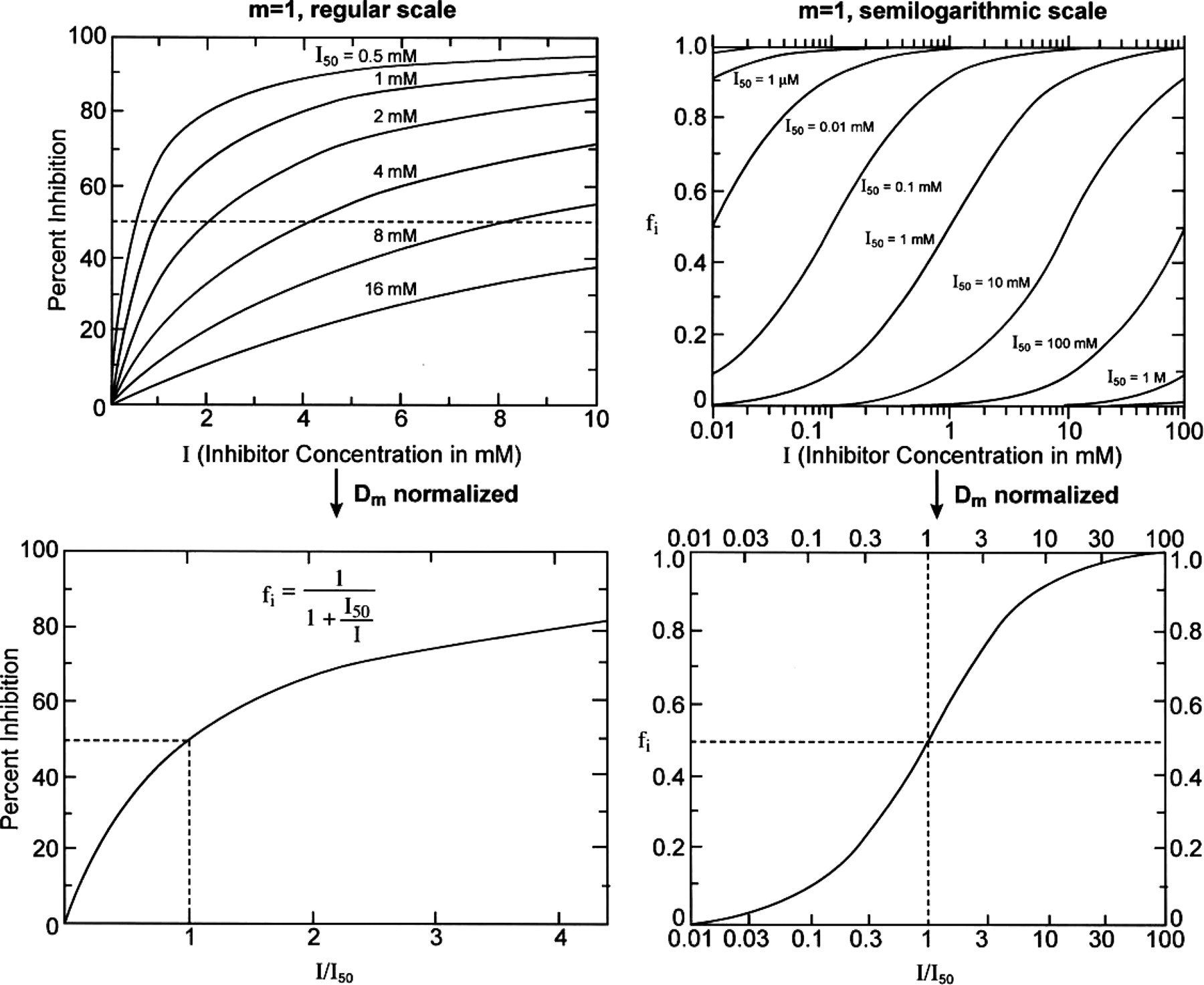
Jun 13, 2012. The formula for manual calculation is rather complicated and involves computing SE(log(D)) when D=Dm (shown in eq. 14, Table 5) but may be obtained using any software that implements this calculation such as Calcusyn or Compusyn (Bijnsdorp et al., 2011; Ikeda et al., 2011; Ramachandran et al.,. Crenolanib (CP-868596) is a highly selective and potent PDGFR-α inhibitor with IC50 of 0.9 and 1.8 nM against PDGFRα and PDGFRβ, respectively. Find all the.
Erlotinib HCl (OSI-744) purchased from Selleck. LNCaP-AI cells were starved in 1% stripped medium for 24 h. The cells were then treated with Erlotinib (20 μM), Gefitinib (20 μM), Lapatinib (20 μM), CI-1033 (8 μM), LY294002 (20 μM) and Bortezomib (20 μM) for 24 h. Cell culture medium was collected from each sample and subjected to ELISA for sPLA2-IIa. The condition medium samples were diluted 10 times for ELISA. Average of duplicate samples was converted to nanogram per milliliter against standard curve.
The data represent one of five repeated experiments. Susceptibility of lung cancer cells to cytolytic activity of NK-92 cells after treatment with EGFR inhibitors. Three lung cancer cells were untreated (open circle) or treated with 10 μM erlotinib or gefitinib (black filled square or black filled triangle) for 24 hours. The lung cancer cells were cocultured with NK-92 cells at indicated effector to target ratio (E:T ratio). To determine the specificity of NKG2D-mediated cytolysis of lung cancer cells, NK-92 cells were preincubated with blocking mAb against NKG2D before the assay (gray filled square and triangle) and correspond-ing isotype mAb (open square and triangle).
J Immunother 2011 34, 372-81. Erlotinib HCl (OSI-744) purchased from Selleck. The TMZ-induced caveolin-1 modulation is Src-dependent in Hs683 GBM cells Western blot analyses of soluble caveolin-1 expression in Hs683 glioma cells treated with TMZ (100 μM) four times per week (day 1-4) for 7 h/d, the EGFR inhibitor (10 μM) (erlotinib; day 1), the Src inhibitor AZD0530 (10 μM) (day 1), and combination of the inhibitors and TMZ (+TMZ) compared with control untreated cells (Ct). Soluble caveolin-1 expression was measured on day 5. Transl Oncol 2011 4, 92-100. Erlotinib HCl (OSI-744) purchased from Selleck. MiR-17-5p is down-regulated by erlotinib treatment in A549-ER cells.
(A) MTT was used to assess cell viability of A549 and A549-ER cells after 72-h erlotinib treatment with different concentrations. (B) Real-time PCR quantification of indicated miRNAs. (C) Real-time PCR quantification of miR-17-5p in A549 cells treated with erlotinib at indicated concentrations for 48 h. Erlotinib and picropodophyllin (PPP) act together to reduce cell proliferation. MET1 cells were cultured for 48 hours in increasing concentrations of erlotinib (A) or PPP (B) as indicated.
Cell growth was then assessed using methyl thiazolyl-tetrazolium (MTT) assays. A dose-dependent decrease in the number of viable cells is seen with rising inhibitor concentrations (n = 3 at all time points). MET1 cells (C), MET4 cells (D), SCC12 cells (E), and SCC13 cells (F) were cultured for 48 hours in varying concentrations of erlotinib and PPP as indicated. Cell growth was then assayed with MTT assays. Both erlotinib and PPP demonstrated dose-dependent inhibition of cell growth, and at intermediate concentrations there seemed to be synergistic prevention of cell growth by both inhibitors.
Higher concentrations of all inhibitors were also tested but are not shown as they exceeded the maximal responses of the cells to the inhibitors. Head Neck 2013 35, 86-93.
Erlotinib HCl (OSI-744) purchased from Selleck. DUSP6 is regulated by EGFR/ERK inhibition in NSCLC cell lines. Protein expression levels were assayed by immunoblot for phosphor-EGFR at indicated tyrosine sites, total-EGFR, phosphor-ERK, total-ERK, ETS1, DUSP6 and GAPDH demonstrating suppression of DUSP6 following inhibition of activated ERK (P-ERK) and ETS1 levels in the presence of appropriate drug for each of the following cell lines: (a) HCC827 cells treated with erlotinib; (b) H1975 cells treated with erlotinib or CL-387,785 (an irreversible EGFR inhibitor); H441 cells treated with (c) erlotinib or U0126 (a MEK1/2 inhibitor) and (d) erlotinib or AG1478 (specific EGFR inhibitor) (d). Cells were starved overnight with serum-free media, then treated with drug as indicated by the following abbreviations: (E) 100ng/ml EGF; (D) 0.01% DMSO control; (Er) 1 μM erlotinib, (CL) 1 μM CL-387,785, (U) 20 μM U0126 or AG1478. Whole cell lysates were obtained using 10% TCA lysis buffer and immunoblotting was performed at indicated time points. Biological Activity Description Erlotinib HCl (OSI-744) is an EGFR inhibitor with IC50 of 2 nM in cell-free assays, >1000-fold more sensitive for EGFR than human c-Src or v-Abl. Targets HER1/EGFR (Cell-free assay) 2 nM In vitro Erlotinib HCl potently inhibits EGFR activation in intact cells including HNS human head and neck tumor cells (IC50 20nM), DiFi humancolon cancer cells andMDA MB-468 human breast cancer cells.
Erlotinib HCl (1 μM) induces apoptosis in DiFi humancolon cancer cells. Erlotinib inhibits growth of a panel of NSCLC cell lines including A549, H322, H3255, H358 H661, H1650, H1975, H1299, H596 with IC50 ranging from 29 nM to >20 μM.
Erlotinib HCl(2 μM) significantly inhibits growth of AsPC-1 and BxPC-3 pancreatic cells. The effects of Erlotinib HCl in combination with gemcitabine are considered additive in KRAS-mutated pancreatic cancer cells. Ten micromolar of Erlotinib HCl inhibits EGFR phospho-rylation at the Y845 (Src-dependent phosphorylation) and Y1068 (auto-phosphorylation) sites. Combination with Erlotinib HCl could down-modulate rapamycin-stimulated Akt activity and produces a synergistic effect on cell growth inhibition. Cell Lines Assay Type Concentration Incubation Time Formulation Activity Description PMID human A431 cells NVPhZWIzTnWwY4Tpc44h[XO YYm= MYPJcohq[mm2aX;uJI9nKEWJRmKgbY4hcHWvYX6gRVQ{OSClZXzsd{BjgSCKVGLGJIF{e2G7LDDJR UxRTBwNEKg{txONg>? Ml:wNVk5OTV2MUK= human SKBR3 cells MV;GeY5kfGmxbjDhd5NigQ>? NIfPbIxKdmirYnn0bY9vKG:oIFjFVlIhcW5iaIXtZY4hW0uEUkOgZ4VtdHNiYomgTHRTTiCjc4PhfUwhUUN3ME2xMlg6KM7:TT6= M1;jXlE6QDF3NEGy In vivo At doses of 100 mg/kg, Erlotinib HCl completely prevents EGF-induced autophosphorylation of EGFR in human HN5 tumors growing as xenografts in athymic mice and of the hepatic EGFR of the treated mice.
Erlotinib HCl (100 mg/Kg) inhibits H460a and A549 tumor models with 71 and 93% inhibition rate. Kinase assays: 96-well plates are coated by incubation overnight at 37 °C with 100 μL per well of 0.25 mg/mL PGT in PBS.
Excess PGT is removed by aspiration, and the plate is washed 3 times with washing buffer (0.1% Tween 20 in PBS). The kinase reaction is performed in 50 μL of 50 mM HEPES (pH 7.3), containing 125 mM sodium chloride, 24 mM magnesium chloride, 0.1 mM sodium orthovanadate, 20 μM ATP, 1.6 μg/mL EGF, and 15 ng of EGFR, affinity purified from A431 cell membranes. Erlotinib HCl in DMSO is added to give a final DMSO concentration of 2.5%. Phosphorylation is initiated by addition of ATP and proceeded for 8 minutes at room temperature, with constant shaking. The kinase reaction is terminated by aspiration of the reaction mixture and is washed 4 times with washing buffer. Phosphorylated PGT is measured by 25 minutes of incubation with 50 μL per well HRP-conjugated PY54 antiphosphotyrosine antibody, diluted to 0.2 μg/mL in blocking buffer (3% BSA and 0.05% Tween 20 in PBS). Antibody is removed by aspiration, and the plate is washed 4 times with washing buffer.
The colonmetric signal is developed by addition of TMB Microwell Peroxidase Substrate, 50μL per well, and stopped by the addition of 0.09 M sulfuric acid, 50 μL per well. Phosphotyrosine is estimated by measurement of absorbance at 450 nm. The signal for controls is typically 0.6-1.2 absorbance units, with essentially no back ground in wells without AlP, EGFR, or PGT and is proportional to the time of incubation for 10 minutes.
Cell Research. • Cell lines: A549, H322, H3255, H358 H661, H1650, H1975, H1299, H596 cells • Concentrations: 30 nM-20 μM • Incubation Time: 72 hours • Method: Exponentially growing cells are seeded in 96-well plastic plates and exposed to serial dilutions of erlotinib, pemetrexed, or the combination at a constant concentration ratio of 4:1 in triplicates for 72 h. Cell viability is assayed by cell count and the 3-(4,5-dimethylthiazol-2-yl)-2,5-diphenyltetrazolium bromide assay. Growth inhibition is expressed as the percentage of surviving cells in drug-treated versus PBS-treated control cells (which is considered as 100% viability). The IC50 value is the concentration resulting in 50% cell growth inhibition by a 72-h exposure to drug(s) compared with untreated control cells and is calculated by the CalcuSyn software.
(Only for Reference) Animal Research. Mulberry Serial Number Check more. Total Molecular Weight: g/mol Tip: Chemical formula is case sensitive.
C10H16N2O2 c10h16n2o2 Instructions to calculate molar mass (molecular weight) of a chemical compound: To calculate molar mass of a chemical compound, please enter its chemical formula and click 'Calculate'. Definitions of molecular mass, molecular weight, molar mass and molar weight: Molecular mass (molecular weight) is the mass of one molecule of a substance and is expressed in the unified atomic mass units (u). (1 u is equal to 1/12 the mass of one atom of carbon-12) Molar mass (molar weight) is the mass of one mole of a substance and is expressed in g/mol. • Erlotinib is an EGFR inhibitor with IC50 of 2 nM, >1000-fold more sensitive for EGFR than human c-Src or v-Abl. • Afatinib (BIBW2992) Dimaleate irreversibly inhibits EGFR/HER2 including EGFR(wt), EGFR(L858R), EGFR(L858R/T790M) and HER2 with IC50 of 0.5 nM, 0.4 nM, 10 nM and 14 nM, respectively; 100-fold more active against Gefitinib-resistant L858R-T790M EGFR mutant.
• Poziotinib (HM781-36B) is an irreversible pan- HER inhibitor with IC50 of 3.2 nM, 5.3 nM and 23.5 nM for HER1, HER2, and HER4, respectively. • Gefitinib (ZD-1839) is an EGFR inhibitor for Tyr1173, Tyr992, Tyr1173 and Tyr992 in the NR6wtEGFR and NR6W cells with IC50 of 37 nM, 37nM, 26 nM and 57 nM, respectively. Features:A potent EGFR tyrosine kinase inhibitor.
• Afatinib (BIBW2992) irreversibly inhibits EGFR/HER2 including EGFR(wt), EGFR(L858R), EGFR(L858R/T790M) and HER2 with IC50 of 0.5 nM, 0.4 nM, 10 nM and 14 nM in cell-free assays, respectively. • Osimertinib (AZD9291) is an oral, irreversible, and mutant-selective EGFR inhibitor with IC50 of 12.92, 11.44 and 493.8 nM for Exon 19 deletion EGFR, L858R/T790M EGFR, and WT EGFR in LoVo cells, respectively. • Lapatinib, used in the form of Lapatinib Ditosylate, is a potent EGFR and ErbB2 inhibitor with IC50 of 10.8 and 9.2 nM in cell-free assays, respectively. • AG-490 (Tyrphostin B42) is an inhibitor of EGFR with IC50 of 0.1 μM in cell-free assays, 135-fold more selective for EGFR versus ErbB2, also inhibits JAK2 with no activity to Lck, Lyn, Btk, Syk and Src. • Rociletinib (CO-1686, AVL-301) is an irreversible, mutant-selective EGFR inhibitor with K i of 21.5 nM and 303.3 nM for EGFR L858R/T790M and EGFR WT in cell-free assays, respectively.
• AG-1478 (Tyrphostin AG-1478) is a selective EGFR inhibitor with IC50 of 3 nM in cell-free assays, almost no activity on HER2-Neu, PDGFR, Trk, Bcr-Abl and InsR.